Tunisia has one of the richest heritage landscapes in North Africa, with Punic, Roman, Islamic, Berber, Ottoman, and modern Mediterranean layers often found within a short drive of each other. These seven historical sites are strong starting points for travelers who want to understand the country beyond the beach resorts.
1. Carthage
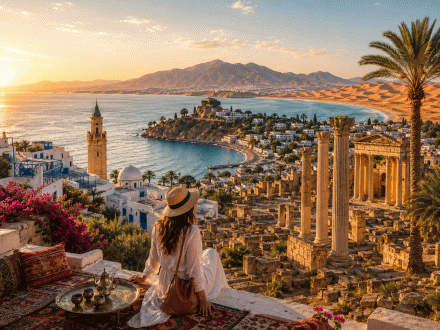
Carthage is essential for understanding Tunisia’s ancient Mediterranean history. The archaeological area includes Punic remains, Roman villas, baths, cisterns, and views across the Gulf of Tunis.
2. Dougga
Dougga is one of Tunisia’s best-preserved Roman sites. Its theater, temples, forum, baths, and Libyco-Punic mausoleum make it especially rewarding for travelers interested in archaeology and ancient city life.
Recommended tour: Punic and Roman Sites Tour
3. El Jem Amphitheatre
The amphitheatre of El Jem is one of the most impressive Roman monuments in Africa. Its scale, underground passages, and stone galleries help visitors imagine the importance of Roman Thysdrus.
4. Kairouan
Kairouan is a major spiritual and architectural landmark, known for the Great Mosque, historic medina, traditional craft workshops, and quiet streets that reflect centuries of Islamic heritage.
5. Sidi Bou Said
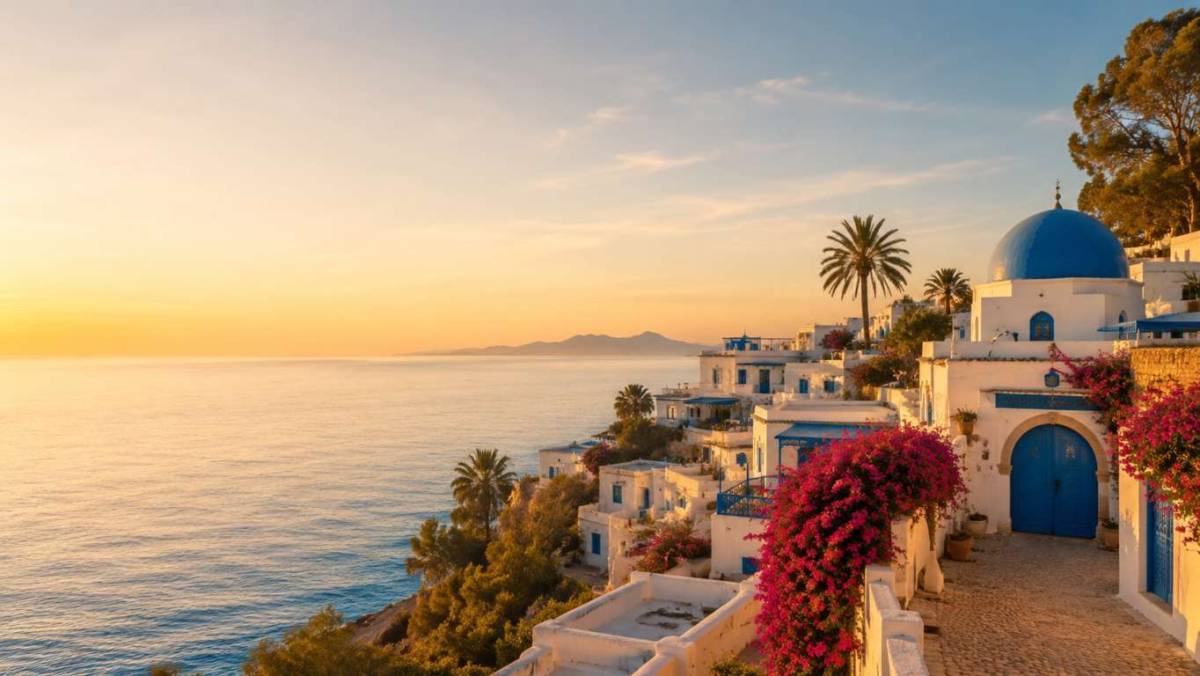
Sidi Bou Said combines Andalusian, Ottoman, and Mediterranean influences. Its blue-and-white architecture, carved doors, viewpoints, and cafes make it a gentle cultural stop near Tunis and Carthage.
6. Bulla Regia
Bulla Regia is known for its underground Roman villas, built partly below ground to escape the summer heat. The mosaics and domestic spaces make the site feel unusually intimate.
7. Medina of Tunis
The Medina of Tunis is a living historic center of souks, mosques, madrasas, palaces, and workshops. It is best explored slowly with context, because many details are hidden behind modest doors and narrow lanes.
For the best experience, combine these sites with local guiding, realistic pacing, and time for smaller stops between the famous monuments.